Home Safety Check
This checklist provides general, non-medical guidance to help identify common home safety risks related to aging in place. It is intended for educational purposes only and does not replace professional inspections or personalized assessments.
Use this checklist to identify common safety risks that can reduce Aging in Place readiness. Start with the highest-risk areas: entry, bathroom, and nighttime walking routes.
How to Interpret Your Results
After completing the checklist, focus on the areas where multiple items feel uncertain or unsafe. These clusters often indicate higher priority risks.
- Many unchecked items in one area: consider addressing that zone first.
- Single high-risk item: even one issue can significantly affect safety.
- Mostly checked items: maintain and re-evaluate periodically.
Small improvements completed consistently are more effective than major changes delayed indefinitely.
How to use this checklist
- Walk through your home slowly and honestly.
- Check items that are already safe or complete.
- Circle the top 3 risks you want to improve first.
This is educational content and does not replace professional inspection. If you feel unsafe, consult qualified help.
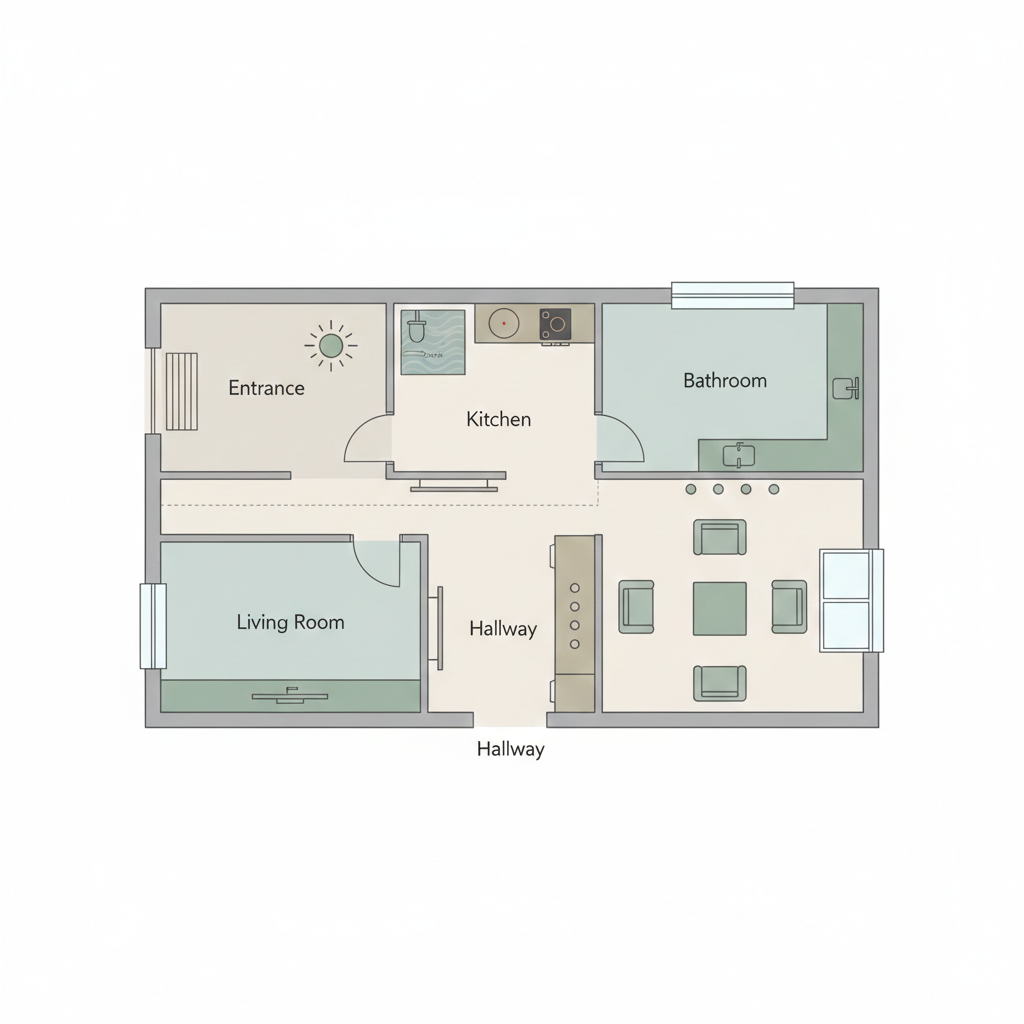
1) Entry & Pathways
2) Hallway & Night Route
3) Bathroom
4) Kitchen
5) Bedroom
6) Emergency readiness
What to do after the checklist
Pick the top 3 risks that feel most urgent. Then choose one action you can complete within a week. Consistency beats intensity.
- If your risks are mostly bathroom-related: focus on slip reduction and stable support.
- If your risks are mostly night-route related: focus on lighting and clear pathways.
- If your risks are mostly entry-related: focus on visibility, step stability, and hand support.
For a roadmap, read the Readiness Guide.
Next Step
If you want a broader perspective on long-term readiness, continue with the Aging in Place Readiness Guide.
FAQ
How often should I use this checklist?
Monthly is a good rhythm, or any time your health/routine changes or you rearrange furniture.